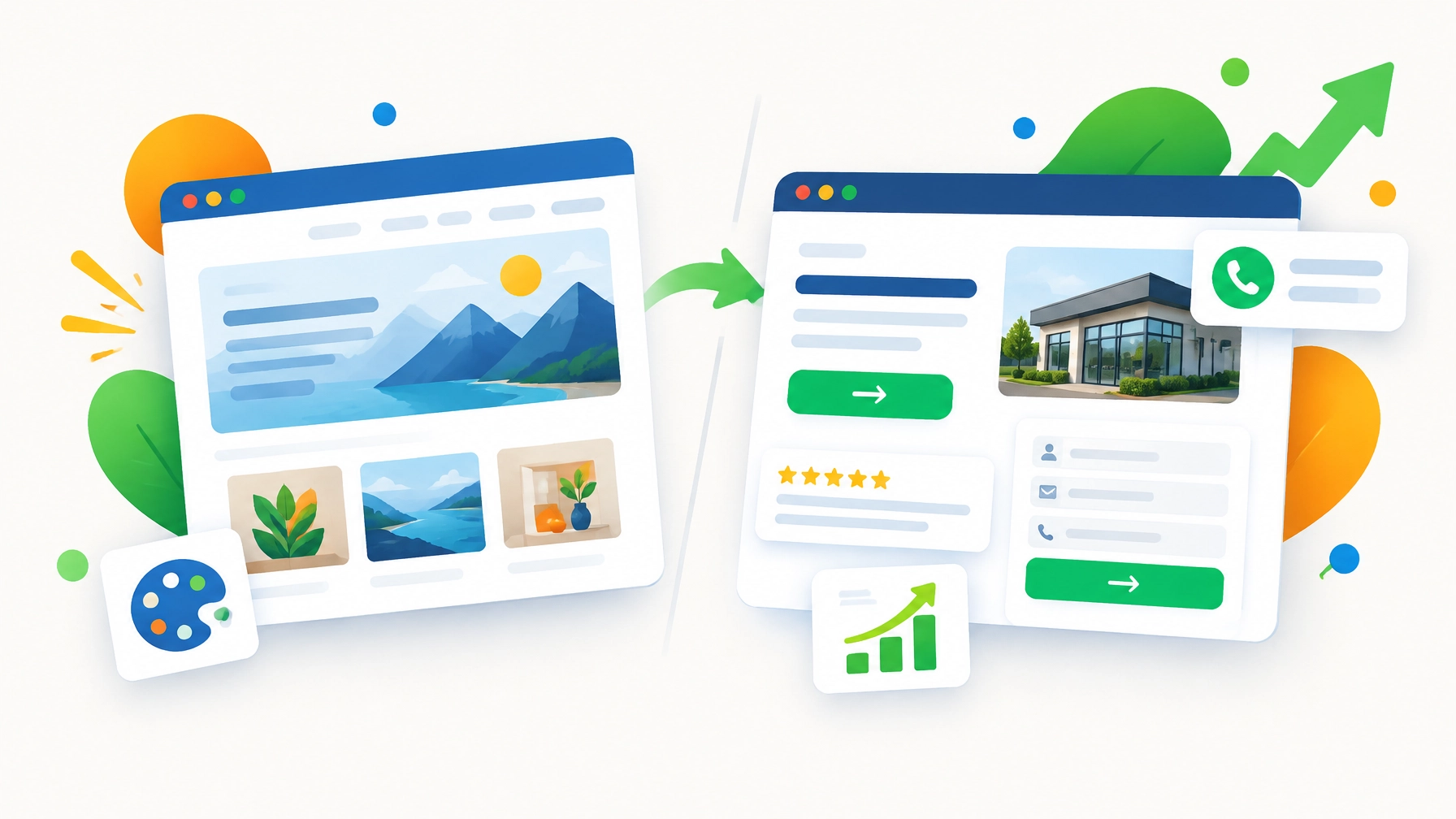



A new website should do more than look professional. It should help potential customers understand your business, find the information they need, trust your team, and take the next step.
That doesn’t mean your small business needs a complicated website packed with unnecessary features. With the right planning, affordable web design for small business can include the essential tools needed to support visibility, lead generation, customer communication, and long-term growth.
At SBO Buzz, we help small businesses build customized WordPress websites with practical features, SEO-ready structure, responsive design, performance optimization, analytics and ongoing support. Our dedicated full-stack development team helps us deliver quality websites at a more accessible cost than many traditional development agencies.
So, what should a new affordable business website actually include?
1. Start With a Clear Business Goal
Before choosing colors, fonts, or images, decide what your website needs to accomplish.
Your primary goal might be to:
- Generate phone calls
- Collect quote requests
- Schedule appointments
- Sell products online
- Explain professional services
- Attract customers from local search
- Build credibility for a new business
A website designed to generate service inquiries will look and function differently from an e-commerce store. Your business goals should guide the page structure, content, navigation, and calls to action.
A professional website development plan from SBO Buzz begins with understanding your objectives, audience, brand identity, competitors, and marketing priorities. This planning helps prevent wasted time and unnecessary website features.
Additionally, a clear goal makes it easier to measure results after launch. You can track whether your website is generating calls, forms, bookings, sales, or other valuable actions.
2. Build the Essential Pages
Most small businesses can launch successfully with a focused website containing approximately five to eight core pages. The exact structure depends on your industry, but an affordable new website should usually include:
- Home: A clear explanation of who you serve, what you offer, and why customers should choose you
- About: Your background, experience, team, and business values
- Services or Products: Detailed information about what you sell or provide
- Contact: Your phone number, email, form, address, hours, and service area
- Reviews or Testimonials: Customer feedback and trust-building experiences
- Frequently Asked Questions: Answers to common concerns about your services or process
- Blog or Resources: Helpful content that supports SEO and customer education
- Location or Service Area Pages: Useful for businesses serving specific cities or communities
Do not force every detail onto the homepage. Separate service pages make your website easier to navigate and give search engines more relevant information about what your business provides.
For instance, a landscaping company may benefit from individual pages for lawn care, landscape design, tree removal, and seasonal cleanup. Each page can answer specific customer questions and guide visitors toward a quote request.
3. Make It Mobile-Friendly From the Beginning
Many customers will first discover your business on a smartphone. Your website should not simply be a smaller version of the desktop design. It should be planned and tested for mobile users from the beginning.
A mobile-friendly website should include:
- Text that is easy to read without excessive zooming
- Buttons large enough to tap comfortably
- Simple navigation
- Click-to-call phone numbers
- Forms that work properly on smaller screens
- Images that resize without slowing down the page
- Important information visible without unnecessary scrolling
Your primary call to action should be easy to find on a phone. If a visitor has to search through several menus to locate your phone number or contact form, you may lose a potential customer.
Responsive design is one of the most important elements of affordable web design for small business because it supports every other marketing activity. SEO, social media, Google Ads, and email campaigns may send visitors to your website, but the mobile experience influences whether they stay and take action.

4. Use Clear Calls to Action
A call to action (CTA) tells visitors what to do next. Without one, people may read your website and leave without contacting you.
Effective CTAs include:
- Request a Quote
- Call Today
- Schedule an Appointment
- Book a Consultation
- Start Your Project
- Shop Now
- Get Directions
- Send Us a Message
Every important page should have a primary action. Place it near the top of the page, within the content, and near the footer when appropriate.
However, avoid overwhelming visitors with too many competing buttons. A service page should generally guide people toward one main next step. You can include secondary options, but the primary CTA should be visually clear.
A short form is usually more effective than a long form that asks for unnecessary information. In many cases, a name, email address, phone number, and brief description of the customer’s need are enough to begin a conversation.
5. Organize the Website for SEO
Search engine optimization (SEO) should be considered during website development, not added as an afterthought.
An SEO-ready website should include:
- Unique page titles and meta descriptions
- One clear H1 heading on each page
- Logical H2 and H3 subheadings
- Descriptive URLs
- Image alt text
- Internal links between related pages
- An XML sitemap
- Fast, responsive page layouts
- Clear service and location information
- A structure that search engines can crawl easily
Your content should use the language your customers actually use when searching. That may include your services, location, industry, and customer needs.
For local businesses, your website should also display consistent business information, including your name, address or service area, phone number, hours, and contact details. This information should match your Google Business Profile and other important listings.
Our website optimization services can help identify technical, content, and SEO improvements that support stronger search visibility. SEO is a long-term investment, but building the foundation correctly from the start can save time and reduce future costs.
6. Improve Speed and Performance
A slow website can frustrate visitors and reduce conversions. It may also make it harder for your business to compete in search results.
An affordable website should be designed with performance in mind. Important considerations include:
- Compressing and properly sizing images
- Using modern image formats such as WebP when appropriate
- Limiting unnecessary plugins and scripts
- Choosing reliable hosting
- Enabling caching and compression
- Using secure HTTPS
- Testing loading performance on mobile devices
A practical goal is to make important pages load in approximately three seconds or less, although actual performance depends on the hosting environment, page content, and visitor connection.
Not only does a faster website create a better user experience, but it can also support SEO, paid advertising performance, and conversion rates. If you are investing in marketing traffic, your website should be ready to serve those visitors efficiently.
7. Add Trust Signals That Reduce Hesitation
People want to know they are contacting a legitimate, capable business. Your website should make that confidence easier.
Useful trust signals include:
- Customer reviews and testimonials
- Real team or workplace photos
- Industry certifications and memberships
- Awards or recognition
- Service guarantees where applicable
- Years of experience
- Case studies
- Professional affiliations
- Secure forms and an SSL certificate
- Clear contact information
A testimonial is more useful when it explains a result rather than simply saying, “Great service.” For example, a customer might describe how your team saved time, solved a problem, improved their business, or made the process easier.
Place trust signals near calls to action so visitors see reassurance at the moment they are deciding whether to contact you.

8. Include Analytics and Conversion Tracking
Your website should provide information about what is working. Basic analytics and tracking make that possible.
At a minimum, consider setting up:
- Google Analytics 4
- Google Search Console
- Form submission tracking
- Click-to-call tracking
- Email click tracking
- Appointment or booking tracking
- Google Ads conversion tracking when running paid campaigns
Analytics can show which pages receive the most attention, how visitors find your website, and which actions they take. This information helps you make informed decisions instead of guessing.
For example, if many people visit a service page but few submit a form, the page may need a clearer offer, stronger trust signals, a better CTA, or a simpler contact process.
A new website should not only attract visitors. It should help you understand those visitors and improve your marketing over time.
9. Make Updates Practical and Affordable
Your website should be easy for your team to maintain. A content management system (CMS), such as WordPress, can allow you to update text, images, blog posts, services, and announcements without rebuilding the entire site.
However, easy editing does not eliminate the need for security and maintenance. WordPress websites require regular updates, backups, plugin management, and security monitoring.
SBO Buzz provides ongoing website support and development, including WordPress updates, PHP updates, plugin updates, security patches, content management, and performance improvements when needed.
This ongoing support can be especially valuable for busy small business owners. You can focus on serving customers while our team helps keep your website current, secure, and useful.
10. Add Only Features That Support Your Business
Affordable web design does not mean adding every available feature. It means investing in the features that support your goals.
Depending on your business, useful additions may include:
- Online appointment scheduling
- E-commerce functionality
- Newsletter signup
- Customer portal
- Live chat or messaging
- Online payment tools
- Service-area maps
- Downloadable forms
- Social media integration
- Review platform links
However, unnecessary animations, complicated menus, autoplay videos, and excessive plugins can increase costs and slow down your website.
Start with the essentials. You can add new features as your business grows and you learn more about what your customers need.
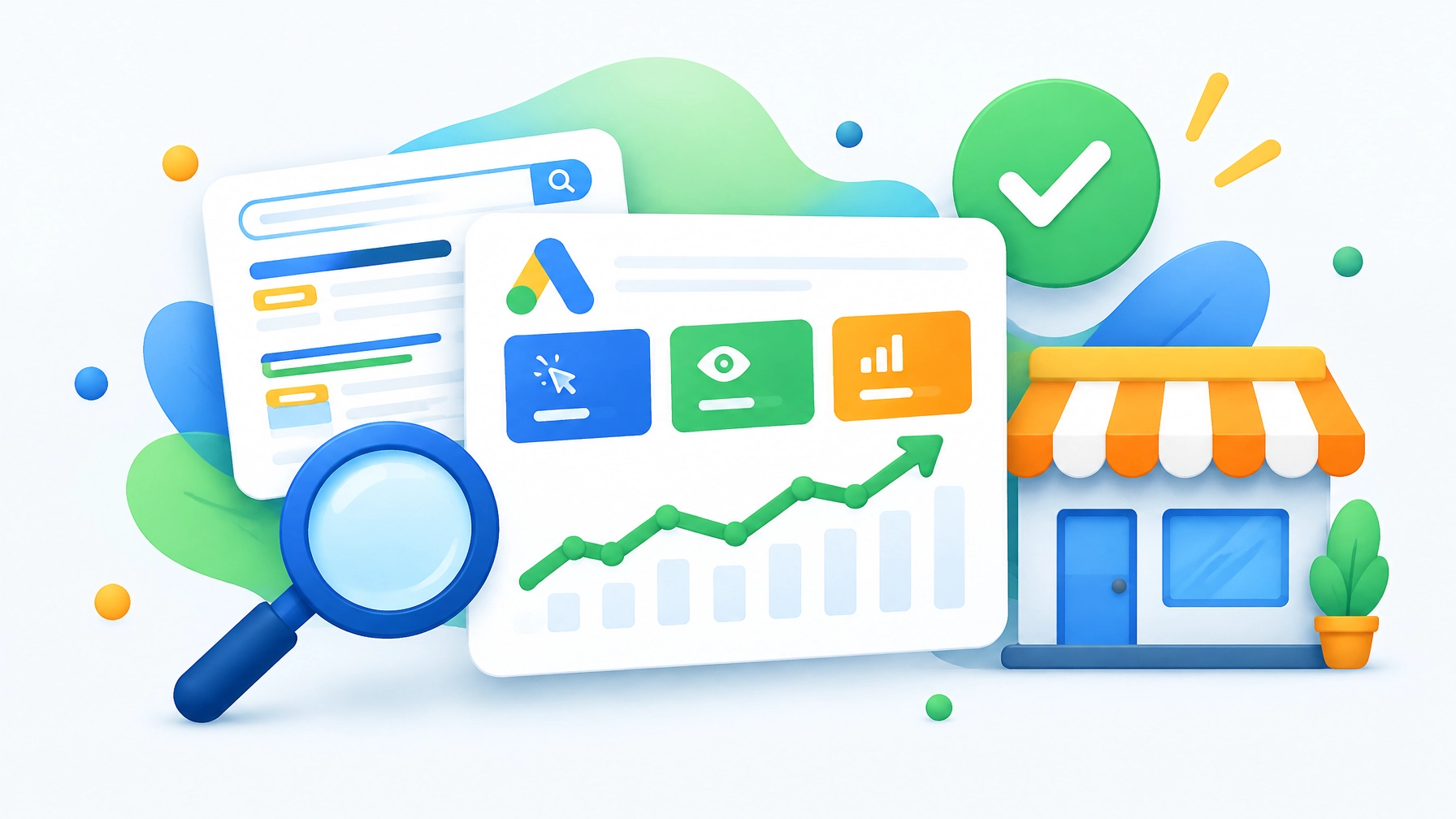
Claim a Free One-Hour Google Ads Audit
Your website is also an important part of your paid advertising strategy. If you are running Google Ads, visitors need to land on pages that are fast, relevant, trustworthy, and designed to convert.
SBO Buzz offers a free one-hour audit of your Google Ads account. During the audit, our team can review:
- Campaign structure
- Conversion tracking
- Bidding strategy
- Landing page alignment and performance
- Keyword and search-term relevance
- Opportunities to reduce wasted spend
- Campaign and conversion optimization issues
This review can help identify whether your website and advertising campaigns are working together effectively. You can also learn more about our PPC marketing services or contact SBO Buzz to request your audit.
Build a Website That Helps Your Business Grow
A new affordable website should be professional, mobile-friendly, fast, easy to navigate, SEO-ready, and focused on measurable customer actions. It should explain your services clearly, build trust, make contacting you simple, and give you useful information about visitor behavior.
You do not need a website filled with unnecessary features to compete online. You need thoughtful planning, dependable development, useful content, and ongoing attention.
At SBO Buzz, we help small businesses build and manage websites that support their broader digital marketing strategy. Our US-based team understands the needs of local businesses, while our dedicated full-stack development team in India helps us deliver quality websites at an affordable price.
Whether you need a new WordPress website, website optimization, SEO support, or help connecting your website to Google Ads, we can provide practical guidance from planning through launch and ongoing improvement.
Visit our digital marketing services page or schedule a consultation. You can receive customized, measurable, and expert support without the cost and complexity of a traditional agency.